Harvest 2026: What to Expect from This Year's Vintage
By Laura Rose-Grabinski · August 11, 2026 · 7 min read
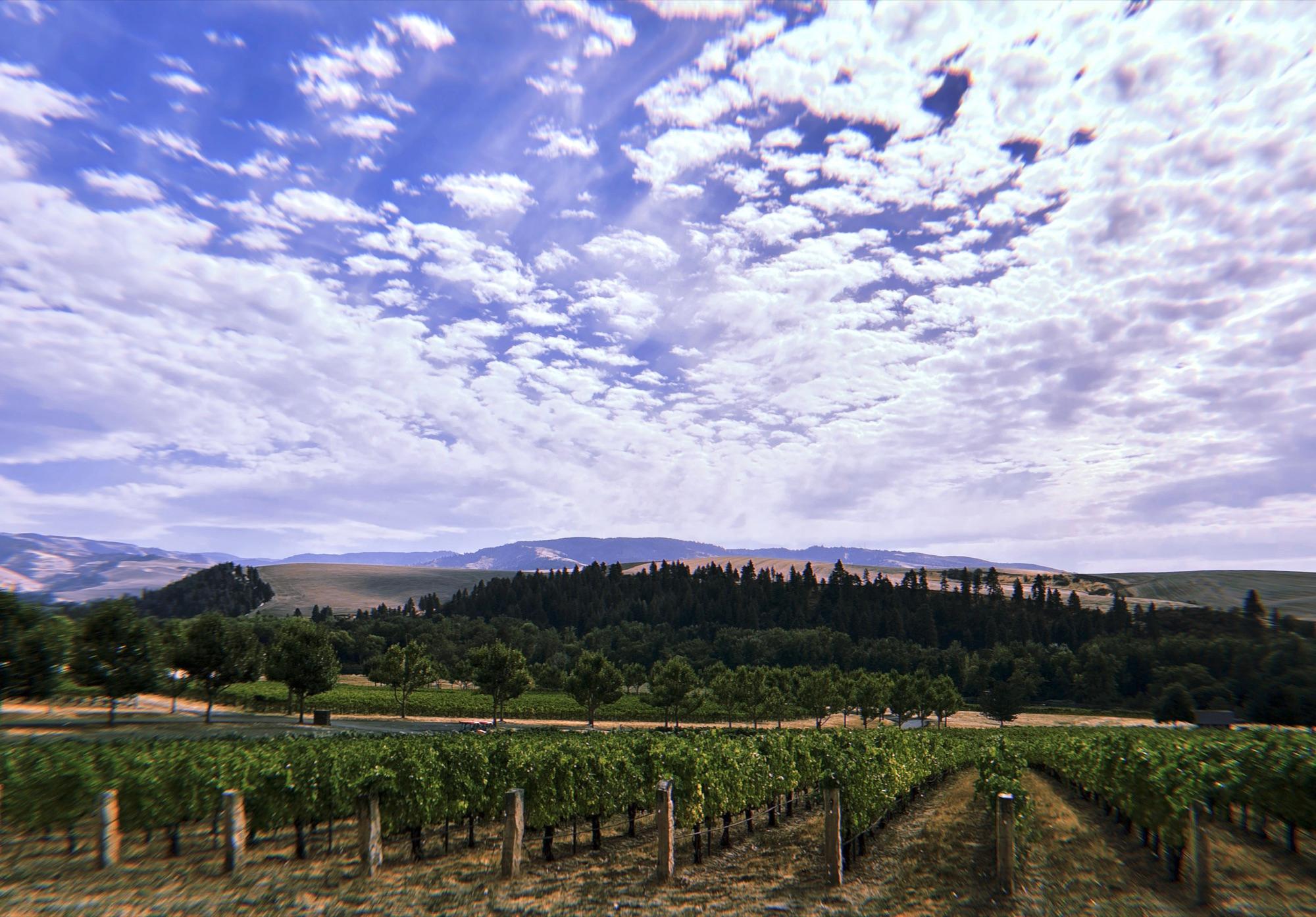
Harvest season in Walla Walla is always a study in contrasts. With quiet mornings that give way to bustling afternoons, vines shifting from deep summer green to the first hints of autumn gold, and winemakers watching the skies as closely as they watch their fruit. Every year brings its own story, its own challenges, and its own triumphs. But this year, the narrative unfolding across the Pacific Northwest carries a particular tension: the presence of wildfire smoke drifting across the region and the question on everyone’s mind “how will it shape the 2026 vintage?”
For guests planning a visit to Walla Walla, harvest is one of the most magical times to stay at The Barn Walla Walla. The valley hums with energy, tasting rooms glow with anticipation, and the air feels charged with possibility. If you’ve been considering a fall getaway, now is the perfect moment to book your stay and experience the season firsthand.
A season defined by smoke and sunlight
The 2026 wildfire season in the Pacific Northwest has accelerated rapidly, with large fires burning across Washington and Oregon. Smoke plumes have repeatedly drifted into the Walla Walla Valley, carried by shifting winds and prolonged drought conditions.
While Walla Walla itself has not been directly threatened by flames, the valley has experienced intermittent smoke events throughout the summer — an increasingly familiar pattern for wine regions across the West. Wildfire smoke has become a defining feature of modern viticulture, and growers are learning to adapt to a risk that is both unpredictable and invisible.
What winemakers are seeing in the vineyards
As of early August, veraison is well underway across the valley. This is the period when grapes soften, sugars accumulate, and berries become more susceptible to smoke-related chemical changes. Pinot Noir, Chardonnay, and Pinot Gris are among the most vulnerable varieties, while Syrah — one of Walla Walla’s signature varietals — naturally contains higher levels of compounds associated with smoke, making it more resilient.
Growers are monitoring air quality daily, sampling fruit, and preparing for harvest with heightened vigilance.
The science behind smoke taint: what we know now
The 2026 Smoke Summit brought together researchers from the USDA, Oregon State University, and Washington State University to share the latest findings on smoke exposure in wine grapes. Their research highlights several key insights that shape how winemakers approach this year’s harvest.
Smoke chemistry is complex and highly variable — the composition of smoke depends on what burned, how intensely it burned, and how long the smoke lingered. Grapes can absorb smoke compounds even when the vineyard appears unaffected: a vineyard may look pristine, yet the chemistry inside the berries may already be changing. Mitigation strategies are improving, too — spray barriers, careful timing, and new vineyard treatments show promise, though they must be applied precisely to avoid worsening exposure.
Crop insurance plays a major role in recovery, and growers are encouraged to follow detailed smoke-claim protocols to protect their livelihoods. And taste remains the ultimate test: even with advanced lab tools, sensory evaluation is still the most accurate indicator of smoke taint.
These insights help shape the cautious optimism many winemakers feel heading into harvest. While smoke exposure is a concern, it is not a foregone conclusion that the vintage will be compromised.
How this year’s vintage might taste
Predicting the flavor profile of a vintage before harvest is always speculative, but early indicators suggest that 2026 could produce wines with concentrated fruit character: warm, dry conditions across eastern Washington have encouraged small berries with high skin-to-juice ratios, ideal for deeply concentrated reds. Cool nights in Walla Walla have helped preserve balanced acidity, especially in white varieties and early-ripening reds.
If smoke exposure remains minimal or manageable, aromatic varieties like Viognier and Grenache Blanc may show lifted floral and stone-fruit notes. And years with environmental stress often produce wines with a heightened sense of place — a distinctive expression of terroir.
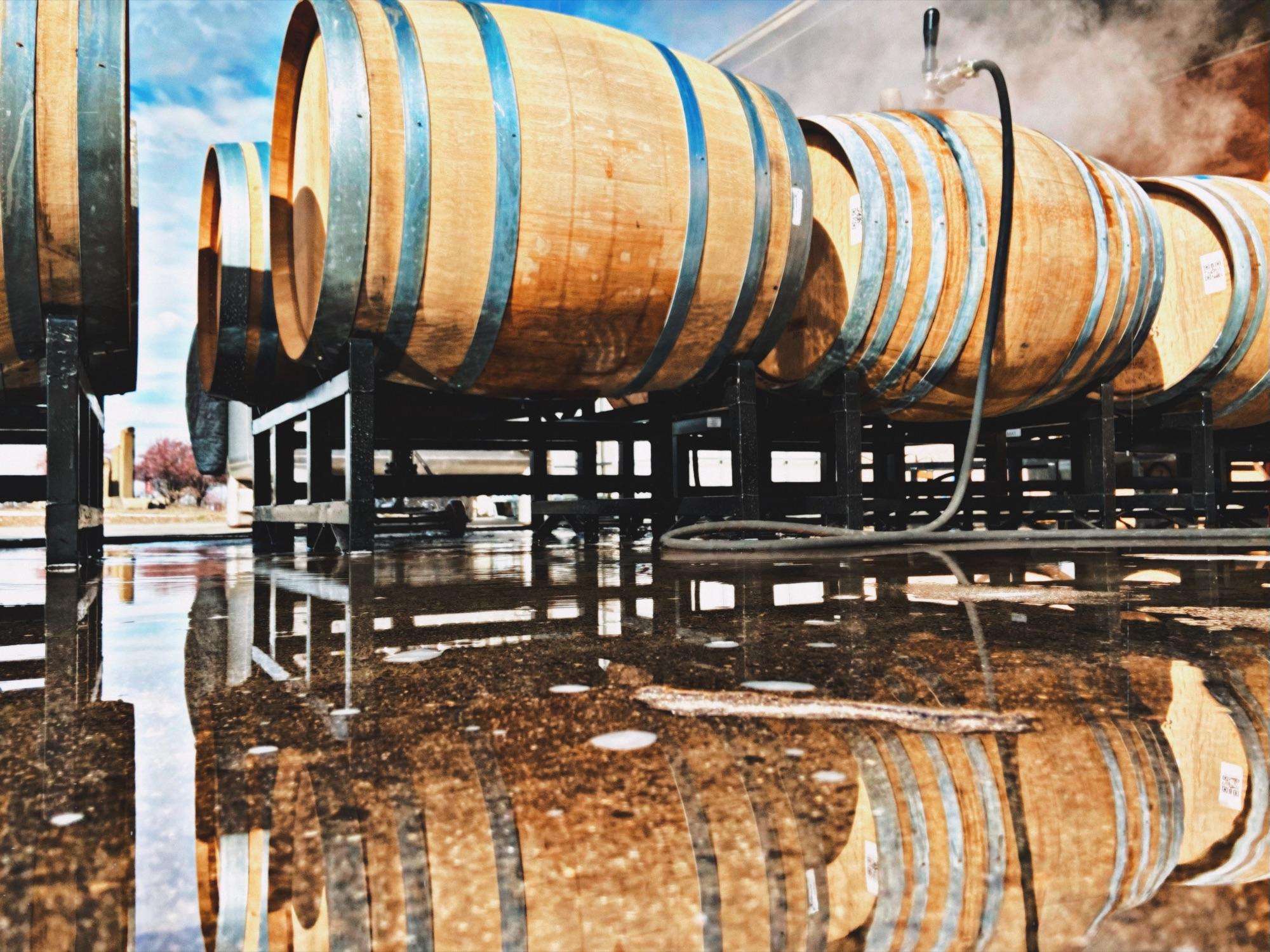
Of course, the final story will be written in the cellar. Winemakers will make careful decisions about sorting, fermentation, blending, and oak treatment to ensure the vintage reflects the best of what the valley can offer.
What this means for visitors
For guests staying at The Barn Walla Walla, harvest is an extraordinary time to experience the valley. You’ll see trucks rumbling down country roads loaded with picking bins of freshly picked grapes, smell the first fermentations in the air, and witness the energy of a region working together to craft something beautiful.
And despite the challenges of smoke, wineries across the valley remain open, vibrant, and ready to welcome you. If you’ve been dreaming of a fall escape, now is the perfect moment to reserve your stay. Harvest weekends fill quickly, and the valley’s golden light is something you simply have to experience in person.
A note on smoke taint concerns
Guests often ask whether wildfire smoke affects the taste of wine. The short answer is that smoke taint is a complex issue, and even experts acknowledge that predicting its impact is difficult. Low smoke exposure does not necessarily correlate with smoky or ashy flavors, and many wines made from smoke-exposed grapes remain perfectly fruit-forward and delicious.
For visitors, this means you can look forward to tasting expressive, beautifully crafted wines throughout the season.
Why harvest is the best time to visit
There is something undeniably special about Walla Walla in September and October. The mornings are crisp, the afternoons warm, and the sunsets stretch long across the wheat fields. Vineyards buzz with activity, and tasting rooms brim with anticipation.
Staying at The Barn Walla Walla during harvest offers complimentary wine tastings that expand with the length of your stay, easy access to the valley’s top wineries, peaceful countryside views just minutes from downtown, and a front-row seat to the most exciting time of year in wine country.
Looking ahead: the promise of the 2026 vintage
Despite the challenges of wildfire smoke, the 2026 vintage holds tremendous promise. Growers are prepared, winemakers are vigilant, and the valley’s resilience continues to shine.
Wine has always been a collaboration between nature and human hands. It’s a dance of unpredictability, patience, and hope. This year is no different. The story of the 2026 vintage will be shaped by sunlight, soil, science, and the steadfast dedication of the people who make Walla Walla one of the world’s most compelling wine regions.
And for those who visit during harvest, you’ll witness that story in real time.
Plan your harvest getaway
If you’re ready to savor the season, explore the valley, and taste the first notes of the 2026 vintage, we invite you to stay with us at The Barn Walla Walla. Book directly with us and settle in.
Common questions
- When is harvest season in Walla Walla?
- Grape harvest in the Walla Walla Valley runs from roughly early September through October. Veraison — when the grapes soften and color — is typically well underway by early August, and picking follows over the weeks after. September and October are the busiest and most atmospheric months to visit, and lodging on harvest weekends books out well in advance.
- Will wildfire smoke ruin the 2026 Walla Walla vintage?
- Not necessarily. The valley saw intermittent smoke through the summer of 2026 without being directly threatened by fire, and smoke exposure does not automatically produce smoky or ashy wine. Growers are sampling fruit and monitoring air quality daily, and winemakers can manage exposure through sorting, fermentation, and blending decisions in the cellar.
- What is smoke taint in wine?
- Smoke taint is the smoky or ashy character that can appear in wine made from grapes exposed to wildfire smoke. Grapes absorb smoke compounds through their skins, so a vineyard can look pristine while the berry chemistry has already changed. Smoke chemistry varies with what burned, how intensely, and how long it lingered, and sensory tasting remains the most accurate test — lab numbers alone don't predict how a wine will taste.
- Which grape varieties are most vulnerable to wildfire smoke?
- Pinot Noir, Chardonnay, and Pinot Gris are among the most susceptible. Syrah — one of Walla Walla's signature varietals — naturally carries higher levels of the compounds associated with smoke, which makes it comparatively resilient.
- Is harvest a good time to visit Walla Walla?
- It's one of the best. Wineries stay open and busy through harvest, tasting rooms pour the freshest vintages, and you can watch picking bins moving down country roads and smell the first fermentations in the air. Book early — harvest weekends in September and October fill quickly.
Stay with us for harvest
Seven private garden suites, minutes from the wineries working through their busiest weeks of the year. Harvest weekends book out early — reserve directly with us.
See our suites